Skip to content
Home » Jeffrey Hammel » Page 4

Jeffrey Hammel

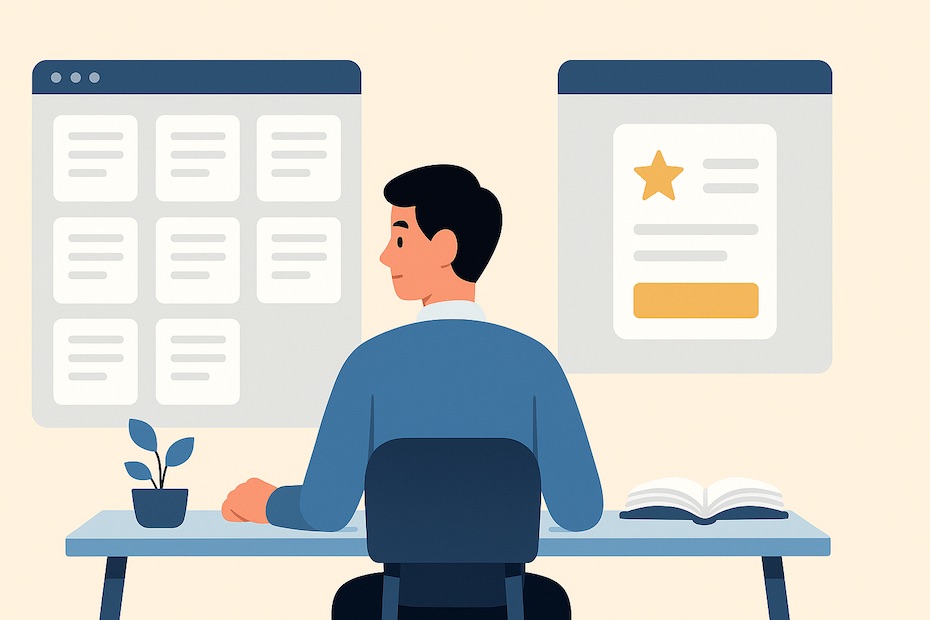
A digital learner comparing two sets of online course options—quantity vs. quality—symbolizing engaging online course design choices.

Designing Engaging Online Courses: New Formats for the Digital Learner

You design engaging online courses by adopting formats that prioritize interaction, personalization, and adaptability rather than relying solely on static video lectures. In this article, you’ll explore the most effective new formats for digital learners—ranging from microlearning and adaptive paths to immersive simulations and gamified… Read More »Designing Engaging Online Courses: New Formats for the Digital Learner

A learner evaluating course options, comparing a large stack of generic books with a smaller set of gold-highlighted books.

Quality Over Quantity: How to Choose the Best Online Course in a Crowded Market

You should choose an online course based on quality—measured by accreditation, structured learning objectives, strong assessments, and proven outcomes—rather than sheer content volume. When facing hundreds of options, your decision depends on knowing which elements signal long-term value. This article breaks down the criteria you… Read More »Quality Over Quantity: How to Choose the Best Online Course in a Crowded Market

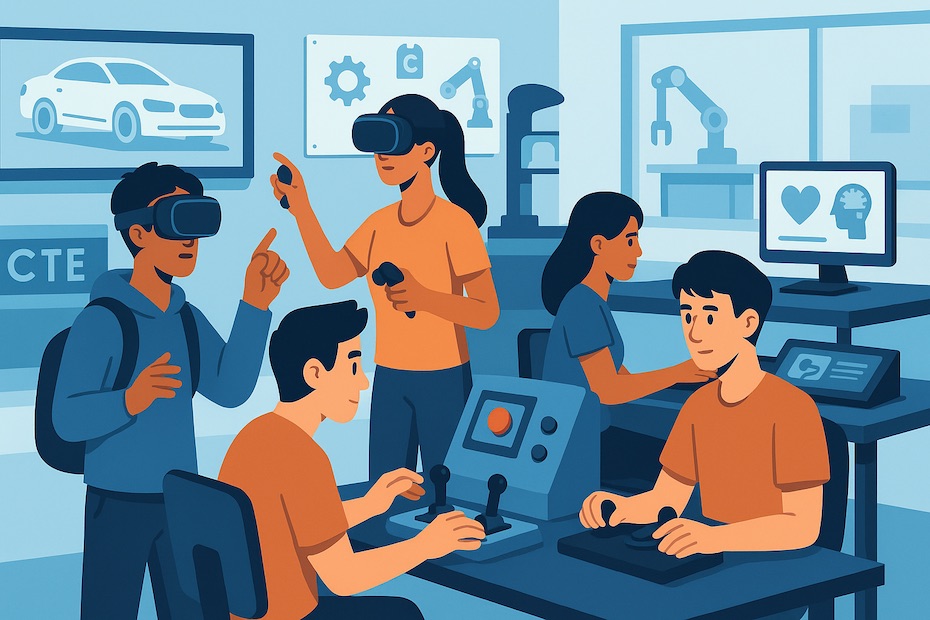
Illustration of students using VR tools in a CTE lab

Hands-On Learning 2.0: How Technology Is Enhancing Career and Technical Education

Hands-On Learning 2.0 refers to the integration of modern digital tools—such as VR, AR, and AI—into Career and Technical Education (CTE) to improve real-world skill acquisition, student engagement, and career readiness. Career and technical education is no longer confined to workbenches and labs. Today, you’re… Read More »Hands-On Learning 2.0: How Technology Is Enhancing Career and Technical Education

Education policymakers meeting to discuss school reforms

Policy and Progress: How Educational Policies Shape Our Schools

Educational policies are the formal rules, laws, and funding decisions that govern how schools operate, shaping curriculum, resources, staffing, and student outcomes. Whether you’re leading a district, teaching in a classroom, or raising a child, you feel the impact of education policy in real-time. From… Read More »Policy and Progress: How Educational Policies Shape Our Schools

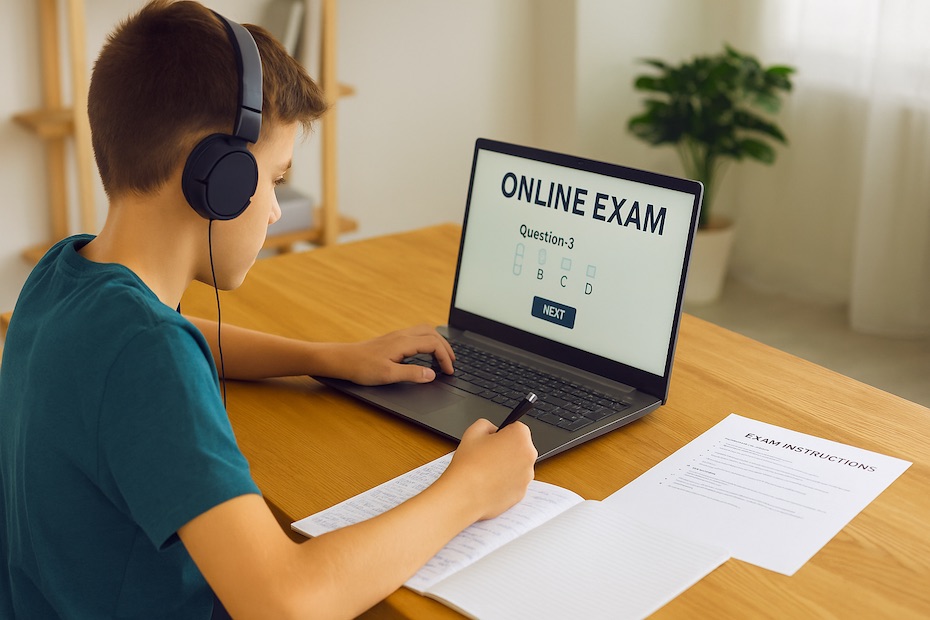
Student taking an online exam using a laptop at a study desk with notes and headphones

Online Exams: Challenges and Opportunities for Modern Learning

When you introduce online exams into your learning environment, you’re making a shift that impacts access, delivery, fairness, and student experience all at once. Whether you’re an educator or administrator, you face a dual challenge: maintaining academic rigor while adapting to the realities of modern… Read More »Online Exams: Challenges and Opportunities for Modern Learning

Students watching educational videos on laptops during a lesson

Visual Learning: Enhancing Education Through Videos

If you’re looking for a way to make education more engaging, effective, and accessible, visual learning through videos is one of the most practical solutions available. Whether you’re teaching students in a classroom, training employees, or building your own knowledge, video-based instruction helps clarify ideas,… Read More »Visual Learning: Enhancing Education Through Videos

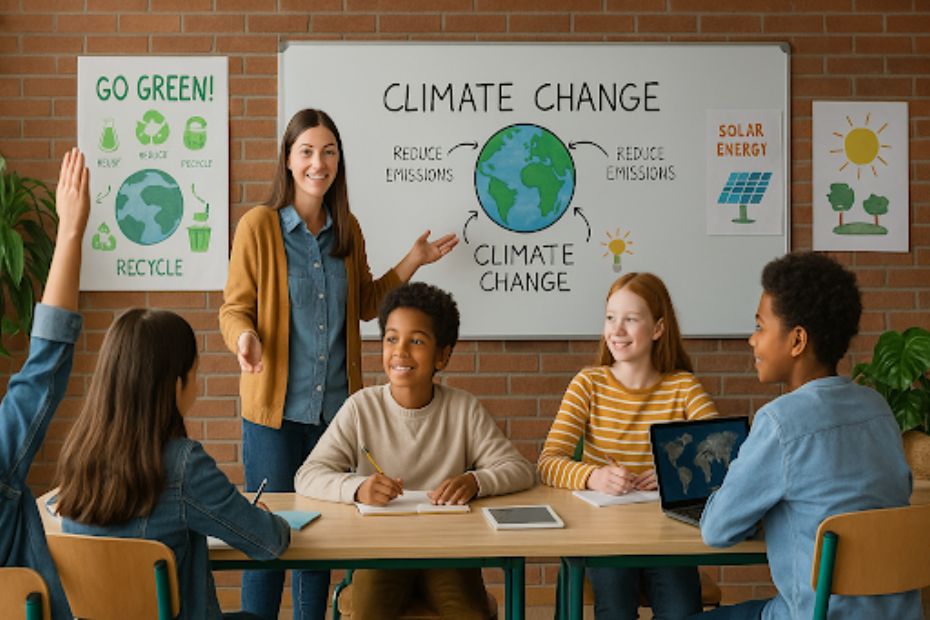
A diverse classroom where students and teachers interact during an environmental science lesson using posters and digital tools

Eco-Curriculum: Integrating Environmental Issues into Learning

You already understand the importance of preparing students for the world they’re inheriting—but if you’re not integrating environmental topics into everyday instruction, you’re missing a huge opportunity. Climate change, sustainability, and natural resource management aren’t just science topics—they’re shaping economies, politics, health, and innovation. This… Read More »Eco-Curriculum: Integrating Environmental Issues into Learning