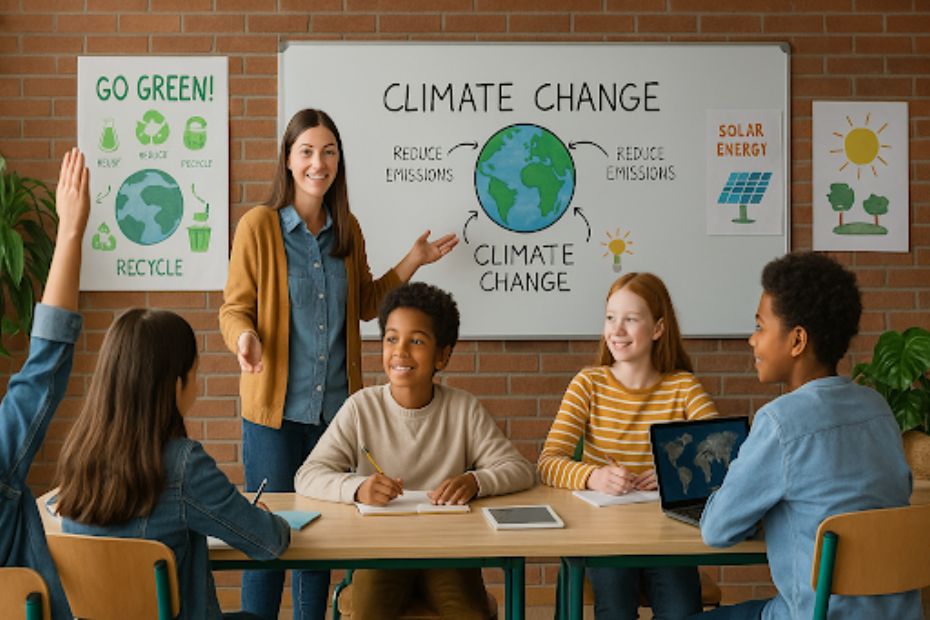
You already understand the importance of preparing students for the world they’re inheriting—but if you’re not integrating environmental topics into everyday instruction, you’re missing a huge opportunity. Climate change, sustainability, and natural resource management aren’t just science topics—they’re shaping economies, politics, health, and innovation. This article walks you through how you can meaningfully embed environmental education across subjects, encourage critical thinking, and build eco-consciousness in students without losing academic focus. From hands-on activities to curriculum redesign, here’s how to create a learning environment that reflects the planet’s real challenges and prepares students to think and act responsibly.
Starting with Curriculum Alignment
When you build an eco-curriculum, you’re not just adding a lesson here and there—you’re rethinking how core subjects interact with real-world issues. Begin by identifying opportunities in your existing standards where environmental topics naturally fit. Math classes can analyze energy consumption data or greenhouse gas emissions. Literature can explore eco-themes through poetry and fiction. Even history lessons can highlight industrial development and its environmental impact. You’re not replacing core learning objectives—you’re anchoring them in current realities that students can see and understand.
Integrating environmental topics shouldn’t feel forced or abstract. Students need relevance. If they can track their school’s water usage and propose solutions or measure the carbon footprint of their lunch menu, you give them ownership. That’s where engagement begins. When you use local case studies—polluted rivers, waste disposal, or green infrastructure projects—they see the importance of these issues firsthand.
Creating Real-World Connections in Class
A strong eco-curriculum brings in what’s happening outside the classroom walls. Partnering with environmental organizations or arranging field visits to recycling centers, renewable energy facilities, or protected natural spaces makes the subject tangible. You want students to talk to conservationists, city planners, or farmers about climate challenges and sustainability solutions. These encounters bring credibility and urgency to your content.
Projects matter, too. Assign students to audit classroom energy usage, organize school-wide composting, or develop green awareness campaigns. When they see their efforts have measurable outcomes, motivation spikes. These projects give you an authentic way to assess learning through communication, collaboration, and critical thinking—all while staying aligned with academic goals.
Supporting Interdisciplinary Teaching
Environmental education works best when it cuts across subject boundaries. Encourage teachers to collaborate on thematic units. Imagine a unit on air pollution—science handles the causes and effects, social studies covers policy and urban planning, and language arts leads persuasive writing on clean air laws. You’re teaching students to connect the dots. This kind of interdisciplinary work helps learners develop systems thinking—a crucial skill when dealing with complex environmental problems.
It also helps you optimize time and make learning more fluid. Instead of fighting for classroom minutes, you create cohesion. When students learn how a forest fire impacts biodiversity, community health, and economic systems in one thematic unit, you reinforce understanding across domains.
Leveraging Technology and Media
Digital tools make environmental learning more immersive and data-rich. Let students use simulation software to model sea-level rise in their hometown or analyze satellite imagery to monitor deforestation. Tools like Google Earth, NASA’s climate datasets, or interactive pollution maps can turn a traditional research project into a dynamic inquiry experience. You’re teaching them to explore, question, and interpret real data.
Media can amplify their awareness. Documentaries, podcasts, and citizen science apps put students in touch with global events and environmental innovators. You can even have students produce digital storytelling pieces—combining research, visuals, and interviews into a video or blog post that reflects their learning and voices.
Encouraging Student-Led Inquiry
If you really want students to own environmental learning, give them space to explore their questions. Project-based learning and inquiry models give students freedom to define what matters to them. Maybe one group investigates fast fashion and its impact on water use, while another studies food waste in the school cafeteria. Your job is to guide, provide resources, and help them frame their investigation into meaningful conclusions.
This approach also helps you differentiate instruction naturally. Students work at different paces, apply varying skills, and take different approaches to solve real problems. That diversity of thought and expression mirrors how solutions are found in the real world. Let them present their findings to local officials, school boards, or peers—you’re training them to advocate as well as analyze.
Addressing Challenges and Resistance
You’ll run into practical and institutional hurdles. Maybe your school lacks funding for new materials, or your colleagues hesitate to shift lesson plans. Start with small wins. Introduce environmental topics through familiar content. Frame new projects around required standards. Show how the approach improves student engagement and outcomes. Administrators care about results—use student projects, assessment data, or even local media coverage to demonstrate value.
Parent buy-in matters, too. Highlight how environmental education teaches responsibility, leadership, and global awareness—traits every family wants for their kids. When the community sees that this isn’t about politics but about practical life preparation, support often follows.
Measuring Impact and Improving Continuously
Assessment in an eco-curriculum can look different. Alongside traditional quizzes and essays, use rubrics for project work, self-assessments, and peer reviews. Track how students connect knowledge, evaluate sources, propose solutions, and reflect on outcomes. You’re evaluating more than facts—you’re measuring growth in thinking and civic responsibility.
Over time, refine your curriculum based on feedback and reflection. What projects resonated? What activities fell flat? Ask students to weigh in—what made them care? Their feedback helps you build something that’s not just academically solid but emotionally relevant. That’s the goal.
What are the benefits of integrating environmental education into schools?
- Boosts student engagement
- Encourages real-world problem solving
- Strengthens interdisciplinary learning
- Fosters sustainability awareness
- Develops leadership and responsibility
In Conclusion
If you’re serious about preparing students for the future, environmental literacy needs to be part of the conversation today. An eco-curriculum isn’t just about climate facts—it’s about showing students that their ideas matter, their projects have purpose, and their choices can shape the world. With the right strategies, you can turn classrooms into labs of innovation where learning is rooted in relevance, and students walk away with skills that matter far beyond the test.
For more on integrating environmental issues into your curriculum, visit this Tumblr.

Jeffrey Hammel is a chief financial officer in corporate finance with an MBA from Indiana University’s Kelley School of Business. He partners with boards and leadership teams on risk management, M&A integration, business planning, and growth—and is known for building trust-based, high-performance cultures.