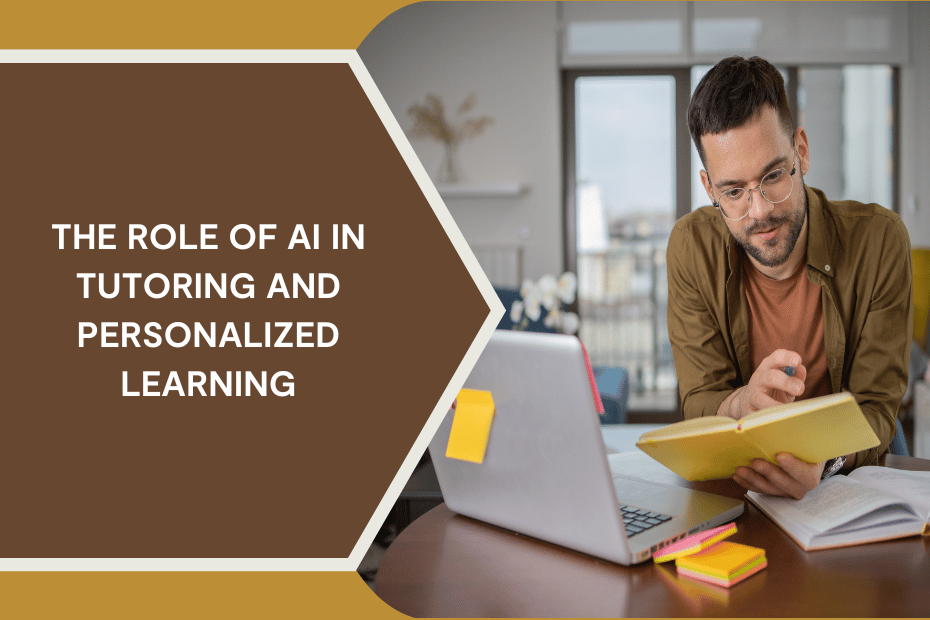
In recent years, artificial intelligence (AI) has emerged as a transformative force in education, especially in the areas of tutoring and personalized learning. AI-powered tools have enabled educators to cater to individual student needs, making learning more effective, engaging, and accessible. I’ve seen firsthand how these technologies can help bridge learning gaps and support students in achieving their academic goals. In this article, I’ll explore the key ways AI is enhancing tutoring and personalized learning.
Tailored Learning Paths for Individual Students
One of the standout benefits of AI in education is the ability to create customized learning experiences for each student. AI systems can analyze data from various sources, such as test results, interaction patterns, and previous assignments, to understand a student’s strengths and weaknesses. This information is then used to develop personalized learning paths that focus on the areas where students need the most help, allowing them to work at a pace that suits their individual needs.
For instance, AI algorithms can adjust the level of difficulty in a lesson or suggest additional resources based on the student’s progress. This type of adaptive learning ensures that students who may struggle with certain topics receive extra support, while advanced learners can move forward without being held back by the rest of the class. In my experience, students are more engaged when they feel that the material is tailored specifically to their learning level, making them more likely to stay motivated and improve over time.
Real-Time Feedback to Enhance Learning
AI technology excels at providing immediate feedback, which is crucial for effective learning. When students complete assignments or take quizzes through AI-enabled platforms, they can instantly see which areas they performed well in and where they need improvement. This feedback loop allows students to quickly address any misunderstandings and reinforces the learning process. As a teacher, I’ve found that real-time feedback helps keep students on track and encourages continuous learning by identifying problem areas early.
Teachers can also benefit from these insights, as AI tools provide detailed data on student performance, helping them identify patterns and adjust their teaching strategies accordingly. This real-time monitoring is especially useful in large classrooms, where it can be challenging for educators to give individualized attention to every student.
Intelligent Tutoring Systems (ITS) for Personalized Support
Intelligent Tutoring Systems (ITS) are AI-driven platforms that simulate one-on-one tutoring experiences by providing personalized guidance and support. These systems can adapt explanations, suggest additional practice problems, and provide hints based on the learner’s responses. For subjects like math, science, and language learning, AI tutors can be particularly effective in breaking down complex concepts and offering tailored assistance.
I’ve observed students using ITS tools, such as adaptive math tutors, where they receive customized exercises that target their specific weaknesses. The AI adjusts the difficulty of the questions based on the student’s responses, ensuring a balance between challenge and skill development. This kind of personalized instruction can be more effective than traditional classroom settings because it addresses the unique needs of each student and provides support when they encounter difficulties.
Increasing Student Engagement Through Adaptive Content
One of the challenges in education is keeping students engaged with the material, especially when it may not initially align with their interests. AI can make learning more engaging by adapting content to suit individual preferences and learning styles. Whether a student learns best through visual aids, hands-on activities, or auditory instructions, AI can present the information in a format that resonates with them.
For example, some AI platforms incorporate interactive simulations, videos, and gamified learning experiences to make lessons more appealing. When students interact with content that matches their learning preferences, they are more likely to participate actively and retain information. In my classroom, I’ve seen how adaptive content can turn a subject that students typically struggle with into an enjoyable learning experience.
Reducing the Administrative Load on Teachers
AI is not just a tool for students; it also supports educators by streamlining administrative tasks. AI-powered grading systems can automatically evaluate multiple-choice tests, essays, and even more complex assignments, saving teachers valuable time. Furthermore, these systems can provide insights into overall class performance, allowing educators to identify trends and adapt lesson plans to address widespread challenges.
In my experience, the time saved through automated grading and data analysis can be reinvested in more meaningful activities, such as planning interactive lessons or spending one-on-one time with students who need extra help. AI can help teachers prioritize their workload and focus on the areas where they can have the greatest impact.
Identifying and Addressing Learning Gaps
AI excels at detecting patterns in data, which makes it an excellent tool for identifying learning gaps. By analyzing student performance over time, AI systems can highlight areas where students consistently struggle. Once these gaps are identified, AI can suggest targeted interventions, such as additional practice problems or alternative instructional approaches.
I’ve used AI-based diagnostic tools to assess student understanding at the start of a unit and then monitor progress throughout the course. These insights allow me to adjust my teaching strategies, providing extra support to those who need it while ensuring that advanced students continue to be challenged. Addressing learning gaps early on is critical for building a strong foundation and preventing students from falling behind.
Making Learning More Accessible
AI-powered tools can also help make education more inclusive by providing features such as text-to-speech, language translation, and voice-activated commands. These capabilities are especially valuable for students with disabilities or those who face language barriers. For example, AI can convert written text into audio for visually impaired students or translate content into multiple languages for non-native speakers.
In classrooms with diverse learning needs, AI acts as a valuable assistant, providing additional support that allows all students to access the curriculum. In my teaching, I’ve found that students who previously struggled with traditional learning methods can thrive when given the right tools and accommodations. By addressing individual needs, AI helps ensure that every student has an equal opportunity to succeed.
Key Advantages of AI in Tutoring and Personalized Learning
- Customized Learning Paths: AI adapts content based on individual student needs and progress.
- Immediate Feedback: Real-time analysis helps students and educators address learning challenges quickly.
- AI Tutoring Systems: Offers step-by-step guidance and personalized support.
- Adaptive Content: Tailors lessons to match different learning styles and preferences.
- Supports Educators: Automates tasks such as grading and data analysis.
- Detects Learning Gaps: Identifies areas for targeted intervention and improvement.
- Inclusive Learning: Provides tools for students with disabilities or language barriers.
Finding the Balance Between AI and Human Interaction
While AI is a powerful tool for personalized learning, it should complement rather than replace human educators. The best results come from combining AI-driven insights with the empathy and guidance that teachers bring to the classroom. Educators should use AI as a supportive resource to enhance the learning experience and offer personalized attention when needed.
In Conclusion
AI is reshaping the future of education by making tutoring and personalized learning more accessible and effective. By providing customized learning paths, real-time feedback, intelligent tutoring systems, and adaptive content, AI is enhancing the educational experience for students worldwide. For educators, AI reduces administrative burdens and helps identify and address learning gaps, allowing them to focus on high-impact teaching activities. As AI continues to evolve, its role in education will only grow, empowering teachers and students to achieve new levels of success.

Jeffrey Hammel is a chief financial officer in corporate finance with an MBA from Indiana University’s Kelley School of Business. He partners with boards and leadership teams on risk management, M&A integration, business planning, and growth—and is known for building trust-based, high-performance cultures.