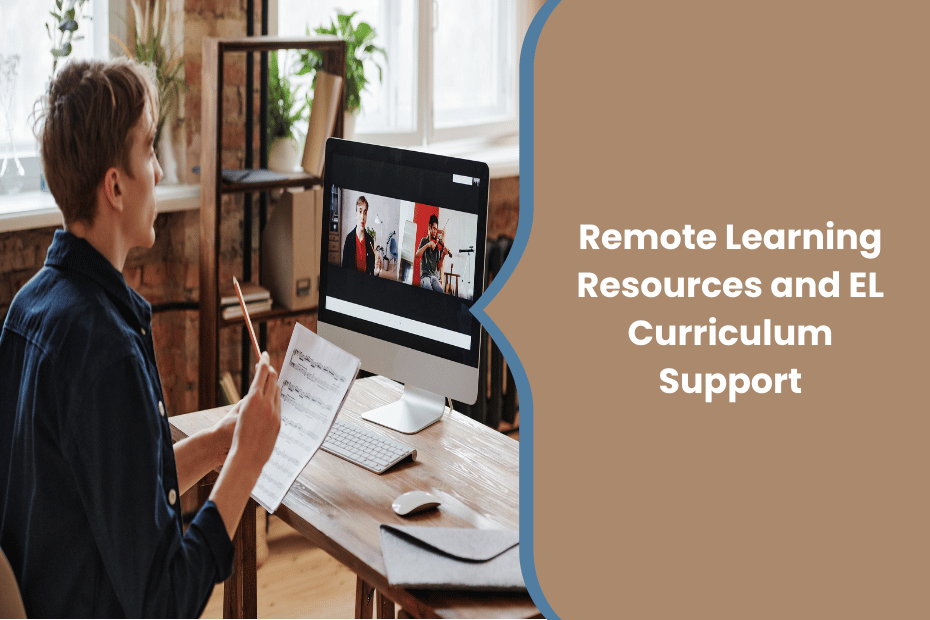
Remote learning has brought both opportunities and challenges to the education sector, particularly when it comes to supporting English Learners (ELs). These students require a carefully tailored approach to ensure they can thrive academically while developing essential language skills. The shift to remote instruction has made it even more important to provide structured, engaging, and accessible learning experiences for ELs. Based on industry experience and evidence from effective programs, I’ll outline key strategies and resources for remote learning that can enhance EL instruction and foster a positive learning environment.
Multilingual Resources: A Bridge to Understanding
One of the most effective ways to support ELs in remote learning is by utilizing multilingual resources. When students can access instructions, learning materials, and key content in both English and their native language, they’re better equipped to grasp complex ideas. This dual-language approach doesn’t just make lessons easier to understand—it also builds confidence, which is critical for language learners.
Several platforms provide high-quality multilingual resources that can be integrated into remote learning. Offering glossaries, bilingual reading materials, and video content in multiple languages ensures that ELs remain engaged and motivated. Schools that adopt these resources often see improved comprehension and participation among their EL students.
Structured EL Curricula: Consistency in Language Development
A well-designed curriculum tailored for ELs is essential for systematic language development, especially in a remote setting. Structured programs that combine language skills with academic content provide a dual benefit: they help students improve their English proficiency while ensuring they don’t fall behind in core subjects like math, science, and social studies.
Programs such as EL Education’s Language Arts Curriculum have proven effective because they integrate language development into every lesson. These curricula include clear learning goals, scaffolded activities, and formative assessments that allow teachers to track student progress. When delivering remote instruction, sticking to a structured curriculum ensures that lessons remain consistent and purposeful, which is especially important for language learners who thrive on routine and clarity.
Digital Learning Platforms: Engaging ELs Online
Digital platforms designed for ELs can make remote learning more interactive and engaging. Platforms like BrainPop ELL offer animated videos, games, and quizzes that cater to different proficiency levels, making language acquisition fun and accessible. Other tools, such as Duolingo and Rosetta Stone, provide self-paced language practice that complements teacher-led instruction.
While these platforms are useful, it’s important to balance their use with direct teacher interaction. ELs benefit most from a combination of independent digital practice and guided lessons where they can ask questions, receive feedback, and practice speaking. Teachers can use these platforms as supplementary tools to reinforce key concepts taught during live sessions.
Access to Digital Texts: Ensuring Continuity in Learning
Access to reading materials is critical for ELs, and remote learning can pose challenges when students don’t have physical textbooks. Providing digital access to required texts ensures that students can continue their studies without interruption. Many publishers now offer e-books and online reading platforms that schools can subscribe to.
Additionally, incorporating digital libraries with a wide range of reading levels allows ELs to choose books that interest them while matching their proficiency. Encouraging students to read regularly, both for academic purposes and personal enjoyment, helps build vocabulary and fluency over time.
Engaging Families in Remote Learning
Family involvement plays a crucial role in the success of ELs, particularly in a remote learning environment. Many EL families may not be familiar with the technology used for online learning, so providing them with clear instructions and support is essential. Schools can offer tutorials, multilingual guides, and dedicated helplines to help families navigate digital platforms.
When families are engaged, they can reinforce learning at home by encouraging students to complete assignments, participate in lessons, and practice language skills outside of class. Building strong partnerships with families ensures that students receive consistent support, both from their teachers and at home.
Professional Development for Educators
Supporting ELs effectively in a remote setting requires specialized skills and knowledge. Teachers must be equipped to address the unique challenges ELs face, such as language barriers, limited access to resources, and varying levels of proficiency. Professional development courses focused on EL instruction can help educators develop strategies for differentiation, scaffolding, and engagement.
Online courses offered by organizations like EL Education provide valuable insights into best practices for remote EL instruction. These courses cover topics such as integrating language development into content instruction, using formative assessments to guide learning, and fostering an inclusive classroom environment.
Promoting Interaction and Collaboration
Remote learning can sometimes feel isolating for students, especially ELs who may already struggle with language barriers. Promoting interaction and collaboration through group projects, peer discussions, and virtual breakout rooms helps students practice language skills in a social context. Collaborative activities encourage speaking, listening, and critical thinking, which are essential for language development.
Teachers can facilitate these interactions by assigning group tasks that require students to work together and share ideas. Tools like Zoom and Google Meet offer breakout room features that allow small groups to collaborate during live sessions. By creating opportunities for peer interaction, teachers can help ELs feel more connected and engaged in their learning.
Adapting Assessments for Remote Settings
Assessment is a key component of any educational program, and remote learning requires some adjustments to traditional methods. Instead of relying solely on standardized tests, teachers can use a variety of formative assessments to gauge ELs’ progress. Digital portfolios, project-based assessments, and oral presentations are effective ways to evaluate both language skills and content knowledge.
Adapting assessments to suit the remote environment ensures that ELs have multiple ways to demonstrate their learning. Teachers can also use these assessments to provide targeted feedback, which helps students understand their strengths and areas for improvement.
Bridging the Digital Divide
One of the biggest barriers to effective remote learning for ELs is the digital divide. Not all students have access to reliable internet connections or devices, which can hinder their participation in online lessons. Schools and districts must work to provide equitable access by distributing devices and offering internet subsidies to families in need.
Collaborating with community organizations and local businesses can help bridge this gap. Some districts have successfully partnered with internet providers to offer free or low-cost connectivity to students. Ensuring that every EL has the necessary tools for remote learning is a critical step in promoting educational equity.
Supporting Social-Emotional Well-Being
Remote learning can be challenging for ELs, not just academically but also emotionally. Many ELs may feel isolated or overwhelmed by the demands of online learning, especially if they’re also adjusting to a new language and culture. Teachers should prioritize social-emotional learning by incorporating activities that promote well-being and create a supportive classroom environment.
Simple practices, such as starting each lesson with a check-in or offering time for students to share their thoughts and feelings, can make a big difference. Providing a safe space for students to express themselves helps build trust and fosters a sense of belonging, which is essential for their overall development.
Key Strategies for Supporting ELs in Remote Learning
- Use multilingual resources for better comprehension.
- Adopt structured EL curricula for consistent learning.
- Leverage digital platforms to enhance engagement.
- Provide digital access to required texts.
- Engage families with tutorials and guides.
- Promote collaboration through group activities.
- Adapt assessments for remote learning.
In Conclusion
Remote learning for English Learners can be highly effective with the right tools and strategies. By using multilingual resources, structured curricula, digital platforms, and fostering family engagement, schools can support ELs in building language skills and achieving academic success. Addressing access issues and prioritizing social-emotional well-being ensures an inclusive, supportive learning environment for all students.

Jeffrey Hammel is a chief financial officer in corporate finance with an MBA from Indiana University’s Kelley School of Business. He partners with boards and leadership teams on risk management, M&A integration, business planning, and growth—and is known for building trust-based, high-performance cultures.