
Educational planning involves developing and implementing strategies that address the diverse needs of students and educators. The significance of effective planning cannot be overstated, as it lays the foundation for a successful educational system. This article highlights the concept of effective planning, discusses its importance, and provides an overview of five strategies to enhance educational planning. The objective is to equip educators with the tools and knowledge needed to create a more effective learning environment.
Conducting Comprehensive Needs Assessments
Understanding the current situation in an educational setting is the first step in effective planning. A comprehensive needs assessment involves evaluating various aspects of the school environment, including student performance, teacher effectiveness, and resource availability. This process helps identify strengths, weaknesses, and areas for improvement. By collecting and analyzing data, educators can make informed decisions that align with the school’s goals and objectives.
Needs assessments should include input from all stakeholders, including students, teachers, parents, and community members. Surveys, interviews, and focus groups can provide valuable insights into the needs and expectations of the school community. Additionally, reviewing academic performance data, attendance records, and disciplinary reports can help identify patterns and trends that require attention. A thorough needs assessment ensures that planning efforts are based on accurate and relevant information, leading to more effective and targeted interventions.
Moreover, conducting needs assessments on a regular basis helps schools stay responsive to changing circumstances. For example, shifts in student demographics, changes in educational standards, or emerging challenges such as technology integration can all impact the needs of a school community. By periodically revisiting and updating needs assessments, educators can ensure that their planning processes remain relevant and effective.
Setting Clear and Achievable Goals
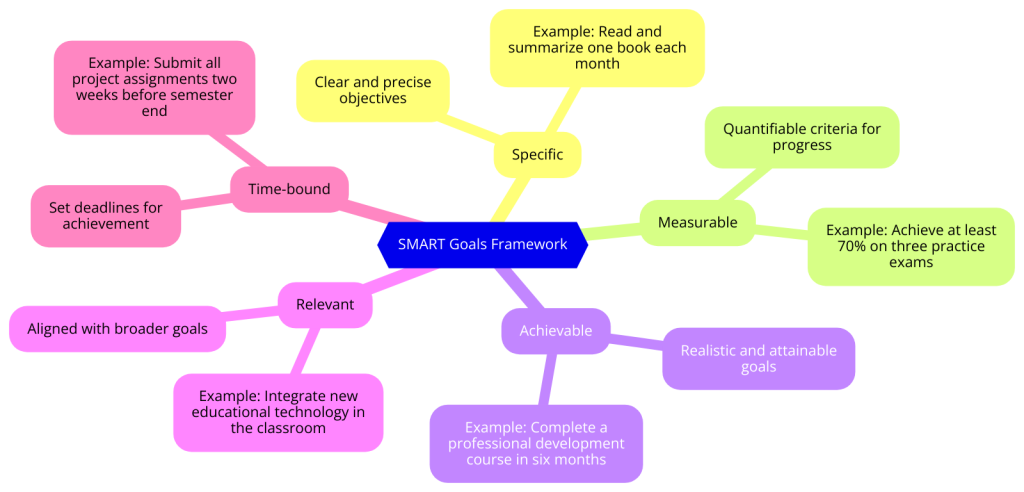
Setting clear and achievable goals is a critical component of effective educational planning. Goals should be Specific, Measurable, Achievable, Relevant, and Time-bound (SMART). By establishing SMART goals, educators can create a clear roadmap for success and ensure that everyone involved understands the objectives and their role in achieving them. Clear goals provide direction and motivation, helping to focus efforts on priority areas.
In addition to setting SMART goals, it’s important to align these goals with the broader vision and mission of the school or district. This alignment ensures that all planning efforts contribute to the overall strategic direction of the organization. Regularly reviewing and adjusting goals based on progress and changing circumstances can help maintain momentum and ensure that the planning process remains dynamic and responsive. Engaging stakeholders in goal-setting can also foster a sense of ownership and commitment, enhancing the likelihood of successful implementation.
Furthermore, goals should be communicated clearly and consistently to all stakeholders. This includes not only teachers and staff but also students and parents. By involving the entire school community in the goal-setting process, schools can create a unified and collaborative environment where everyone is working towards common objectives. This collective effort can lead to more significant and sustained improvements in educational outcomes.
Developing Detailed Action Plans
Once goals are established, developing detailed action plans is essential for translating these goals into concrete steps. Action plans should outline the specific activities, timelines, resources, and responsibilities required to achieve each goal. This level of detail helps ensure that everyone involved understands what needs to be done and when. It also facilitates monitoring and evaluation, allowing educators to track progress and make adjustments as needed.
Effective action plans include clear roles and responsibilities for each team member, ensuring accountability and coordination. Breaking down larger goals into smaller, manageable tasks can make the implementation process more manageable and less overwhelming. Additionally, identifying potential challenges and developing contingency plans can help mitigate risks and ensure that the planning process stays on track. Regular progress reviews and updates can keep the team focused and motivated, ensuring continuous progress toward the established goals.
Detailed action plans also provide a framework for resource allocation, ensuring that financial, human, and material resources are used effectively and efficiently. By aligning resources with specific actions and timelines, schools can optimize their use of available assets and avoid waste or duplication of effort. This strategic approach to resource management is crucial for maximizing the impact of planning efforts and achieving desired outcomes.
Utilizing Data-Driven Decision Making
Data-driven decision making involves using data to inform and guide planning efforts. This approach ensures that decisions are based on evidence rather than intuition or assumptions. By analyzing data on student performance, attendance, behavior, and other relevant factors, educators can identify trends, pinpoint areas of need, and develop targeted interventions. Data-driven decision making promotes accountability and transparency, as decisions are grounded in objective information.
To effectively utilize data, schools should establish robust data collection and analysis systems. This includes regular assessments, surveys, and other data-gathering methods that provide timely and relevant information. Training staff on data analysis and interpretation can enhance their ability to make informed decisions and develop effective strategies. Additionally, sharing data with stakeholders and involving them in the decision-making process can foster a collaborative and informed planning environment.
Using data to drive decisions also involves setting benchmarks and performance indicators to measure progress and outcomes. By establishing clear metrics for success, schools can track their progress towards goals and make necessary adjustments to stay on course. This continuous feedback loop helps ensure that planning efforts remain focused and effective, ultimately leading to improved educational outcomes.
Engaging Stakeholders in the Planning Process
Engaging stakeholders—students, parents, teachers, and community members—in the planning process is crucial for creating a sense of ownership and commitment. Stakeholder involvement ensures that diverse perspectives and needs are considered, leading to more comprehensive and effective plans. Regular communication and collaboration with stakeholders can enhance transparency, build trust, and promote a shared vision for the school’s future.
Effective stakeholder engagement involves creating opportunities for meaningful participation. This can include regular meetings, focus groups, surveys, and workshops where stakeholders can provide input and feedback. Establishing advisory committees or working groups that include representatives from different stakeholder groups can also facilitate ongoing collaboration and communication. By actively involving stakeholders in the planning process, schools can build a strong sense of community and ensure that planning efforts are aligned with the needs and expectations of those they serve.
In addition to formal engagement strategies, schools can use informal methods to involve stakeholders, such as open-door policies, suggestion boxes, and regular newsletters. These approaches can provide additional channels for feedback and foster a more inclusive and collaborative planning environment. By prioritizing stakeholder engagement, schools can create a more responsive and supportive educational system that meets the needs of all members of the school community.
In Conclusion
Effective planning in education is essential for creating a structured, efficient, and supportive learning environment. By conducting comprehensive needs assessments, setting clear and achievable goals, developing detailed action plans, utilizing data-driven decision making, and engaging stakeholders, educators can enhance their planning processes and improve educational outcomes. These strategies provide a framework for effective planning that can help schools navigate challenges, capitalize on opportunities, and achieve their educational objectives. By implementing these best practices, educators can create a more effective and responsive educational system that meets the needs of all students and supports their academic and personal growth.

Jeffrey Hammel is a chief financial officer in corporate finance with an MBA from Indiana University’s Kelley School of Business. He partners with boards and leadership teams on risk management, M&A integration, business planning, and growth—and is known for building trust-based, high-performance cultures.