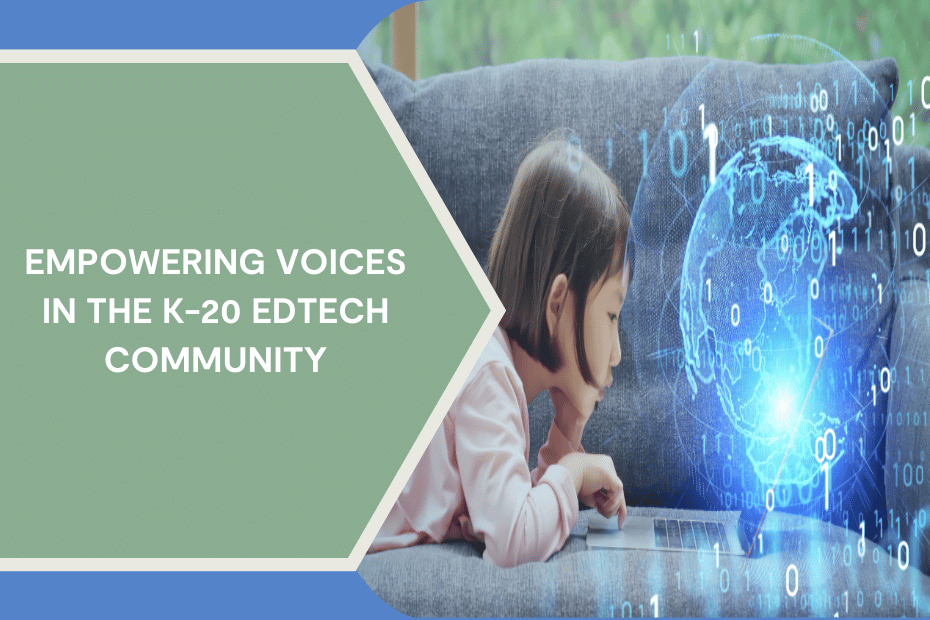
Empowering diverse voices in the K-20 EdTech community is crucial for fostering innovation and ensuring that educational technology meets the needs of all learners. This involves bringing together educators, administrators, students, and tech professionals to create an inclusive environment where all perspectives are valued. Here are some key strategies that can help amplify these voices effectively.
Promote Diversity in EdTech Leadership
Diverse leadership in EdTech isn’t just about filling quotas; it’s about bringing varied experiences and insights into decision-making roles. Leaders who reflect the community they serve are more likely to make inclusive and relevant choices for students and educators. I’ve seen firsthand how hiring practices that actively seek out diverse candidates can transform a department. School districts like Fresno Unified have made significant strides by hiring leaders who mirror the student population, thus creating a more relatable and supportive environment for both students and staff.
Intentional recruitment practices, such as engaging with minority tech organizations and promoting leadership opportunities within underrepresented groups, are essential steps to diversifying the EdTech leadership pipeline. When leadership teams are diverse, they attract a wider pool of talent, leading to a positive ripple effect throughout the organization.
Incorporate Student and Educator Feedback
One of the most effective ways to empower voices in the EdTech space is by actively involving students and educators in the decision-making process. I encourage schools to regularly solicit feedback from teachers and students about the technology they use. Surveys, focus groups, and pilot programs can help gather meaningful input on how tools and platforms impact learning experiences. When educators have a say in the selection and implementation of EdTech, it leads to higher engagement and better outcomes.
Students, too, can provide valuable insights. Including their opinions helps tailor tech solutions to actual classroom needs and fosters a sense of ownership over their learning experience. This collaborative approach ensures that technology serves its intended purpose and meets the unique requirements of different classrooms.
Leverage Technology to Address Equity Gaps
Educational technology has the potential to bridge equity gaps by providing access to resources that were previously out of reach. Tools that support differentiated instruction can help accommodate diverse learning styles and needs, ensuring that all students have a chance to succeed. For example, AI-powered platforms can assist teachers by automating administrative tasks, allowing more time for personalized instruction.
However, merely introducing technology isn’t enough. Schools need to ensure that digital equity is prioritized, which means providing all students with the devices, connectivity, and digital literacy skills they need. Districts facing budget constraints can explore grants and partnerships to fund these initiatives and seek ways to extend device lifecycles, thus maximizing the utility of existing resources.
Support Professional Development for Educators
Educators need ongoing professional development to keep pace with the rapidly changing EdTech landscape. Investing in training helps teachers effectively integrate technology into their instruction, making it a tool for enhancing learning rather than a distraction. Programs focused on digital literacy, instructional design, and data analytics empower teachers to use technology to its full potential.
I’ve found that collaborative professional development models, where educators share their experiences and strategies, often yield the best results. Providing opportunities for teachers to learn from each other and share best practices creates a community of growth that extends beyond formal training sessions.
Highlight Voices Through EdTech Conferences and Communities
EdTech conferences play a significant role in empowering voices by providing platforms for educators, technologists, and students to share ideas and innovations. Events like ISTELive and the Future of Education Technology Conference showcase cutting-edge tools and facilitate discussions around challenges and successes in educational technology.
Encouraging participation in these events can help bring lesser-heard voices to the forefront. Schools and districts can support educators’ attendance by covering travel costs or providing stipends for those who present at conferences. Additionally, fostering online communities where educators can continue these conversations year-round amplifies their voices and allows for a continuous exchange of ideas.
Foster Community Partnerships for Broader Impact
Partnerships with tech companies, universities, and non-profits can help extend the reach of EdTech initiatives. Collaborating with organizations that specialize in digital learning, coding, or career-readiness programs brings valuable resources and expertise into schools. I’ve seen how partnerships with tech companies can provide schools with access to software, training, and even guest speakers who can inspire students to pursue careers in technology.
Schools can also engage with local businesses to offer internships and real-world learning experiences for students, thus strengthening the connection between the classroom and the community. These collaborations empower students by exposing them to new opportunities and help build a more technologically skilled workforce for the future.
Addressing Digital Well-Being
As technology becomes increasingly integrated into education, it is essential to address the impact of screen time and digital well-being. Providing students with tools and strategies for managing their time online is part of creating a balanced educational environment. Schools should implement programs that teach students about healthy tech habits, such as taking regular breaks, using technology mindfully, and understanding digital ethics.
Digital well-being also extends to ensuring that students’ data privacy is protected. Policies that safeguard sensitive information and educate students about responsible data use contribute to a safer learning environment.
Strategies for Empowering Voices in EdTech
- Promote diversity in leadership by hiring leaders who reflect the community.
- Incorporate student and educator feedback in tech decisions.
- Leverage technology to address equity gaps by supporting digital access.
- Support ongoing professional development for teachers.
- Encourage participation in EdTech conferences to amplify voices.
- Foster partnerships for expanded resources and learning opportunities.
- Address digital well-being by teaching healthy tech habits.
In conclusion, empowering voices in the K-20 EdTech community means creating spaces where diverse perspectives are not just welcomed but actively sought out. By focusing on inclusive leadership, meaningful partnerships, and equitable access to technology, we can ensure that all voices contribute to shaping the future of education.

Jeffrey Hammel is a chief financial officer in corporate finance with an MBA from Indiana University’s Kelley School of Business. He partners with boards and leadership teams on risk management, M&A integration, business planning, and growth—and is known for building trust-based, high-performance cultures.