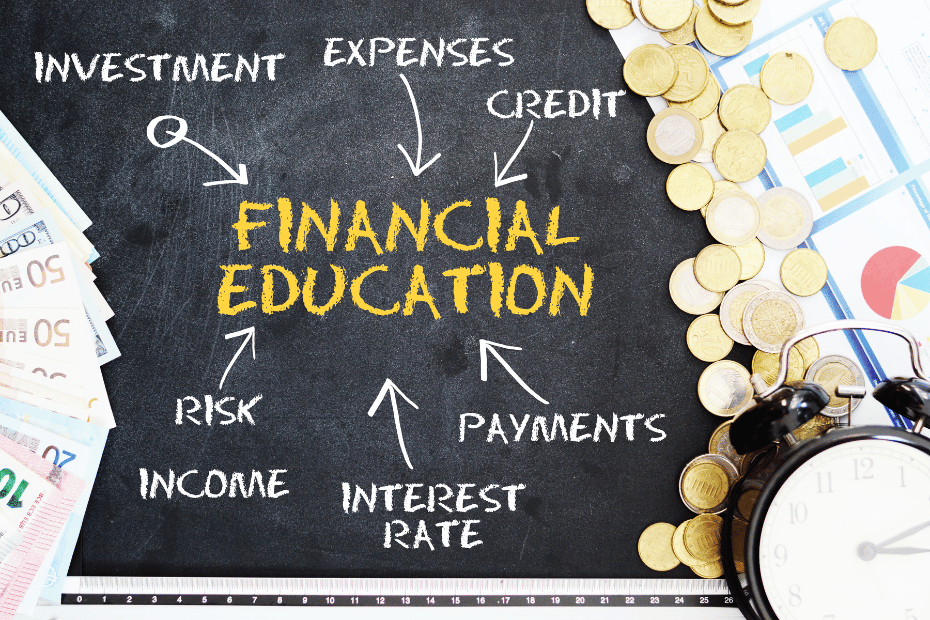
Financial education encompasses a broad array of knowledge and skills required to make informed and effective decisions with all financial resources. Understanding personal finance is increasingly crucial in today’s economy where decisions about education, savings, investments, and retirement have long-term consequences. Financial literacy is not merely beneficial; it is essential for individuals of all ages, enabling them to navigate the complexities of a financial landscape marked by a multitude of options and potential pitfalls. From young adults just beginning to manage their own finances to older adults facing retirement, financial literacy provides the tools necessary to create a stable and secure financial future.
The importance of financial education is underscored by the ever-increasing need for individuals to plan and manage their own financial futures. Previously, many financial decisions were somewhat guided by employers and government benefits, including pensions and social security. However, the modern economy demands a greater individual responsibility where personal choices directly impact financial stability and success. This shift makes financial literacy crucial for managing personal finances effectively, avoiding excessive debt, saving for retirement, and investing wisely to meet future financial goals.
A for Awareness
Awareness is the cornerstone of effective financial management. Being acutely aware of one’s financial status involves a clear understanding of income, expenses, debts, and assets—a holistic snapshot of one’s financial health. This awareness is the first critical step in achieving financial wellness, as it lays the groundwork for informed decision-making.
Conducting a personal financial audit is an excellent way to achieve this awareness. This process begins with gathering all financial statements, including bank accounts, credit card statements, loan documents, and any investment records. The next step is to create a comprehensive list that categorizes all sources of income, such as salaries, dividends, and other earnings, alongside all outgoings, which include fixed expenses like rent or mortgage payments and variable costs such as utility bills and groceries. This audit should also involve listing all debts and understanding their terms and conditions, as well as assessing all assets, including savings accounts, retirement accounts, and real estate.
Tips for conducting an effective financial audit include:
- Regular Review: Make this audit a regular exercise, ideally annually or biannually, to keep on top of your financial situation.
- Use of Financial Apps: Utilize financial apps or software that can help track your spending and savings in real-time, providing insights into your financial behavior and helping identify areas for improvement.
- Setting Alerts: Set up alerts for due dates on bills, low balances, or high spending to maintain control over your finances.
B for Budgeting
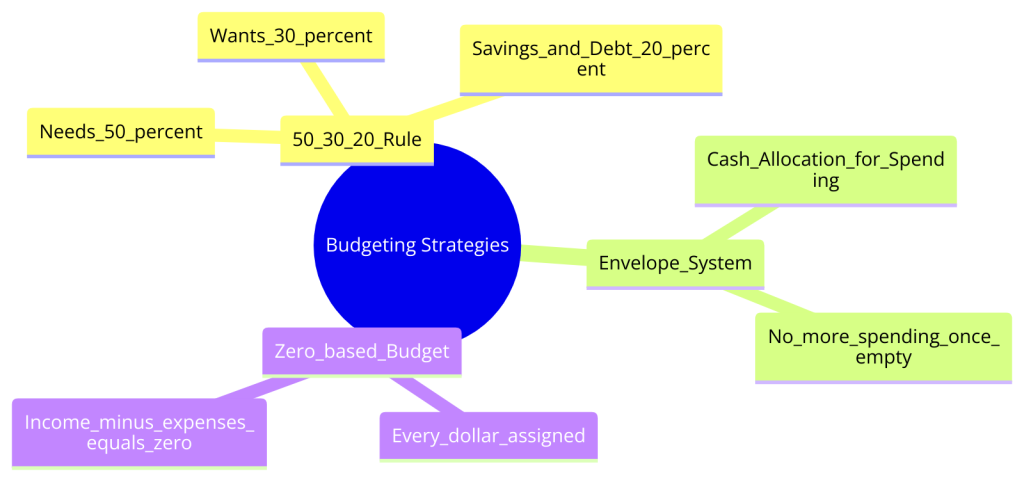
Budgeting is the tactical implementation of the awareness gained from a financial audit. It involves planning how to spend your money based on your financial situation and goals. Creating and maintaining a budget helps ensure that you are not spending more than you earn, thereby allowing for savings and preventing debt accumulation.
The basics of creating a budget start with defining your financial goals—short-term goals like saving for a vacation, and long-term goals like saving for retirement. Based on these goals and the audit of your financial situation, allocate expected income towards needs, wants, savings, and debt repayment. There are several budgeting methods that one can employ:
- The 50/30/20 Rule: This method involves spending 50% of your income on needs, 30% on wants, and putting 20% towards savings and debt repayment.
- Envelope System: This is a more hands-on method where you allocate cash for different spending categories into separate envelopes. Once an envelope is empty, no more spending is allowed in that category for the rest of the month.
- Zero-based Budget: Every dollar of income is assigned a specific purpose, whether it’s spending, saving, or investing, so the total income minus the total expenses equals zero.
Additionally, numerous tools and apps are available to assist in managing your budget, from simple spreadsheet templates to sophisticated financial software that can link to your bank accounts and help you track your spending automatically.
These foundational aspects of financial education—awareness and budgeting—are integral to developing a comprehensive understanding of one’s financial landscape and effectively navigating it towards stability and growth.
C for Credit
Credit is a crucial component of financial management that involves borrowing money with the promise to repay it under agreed-upon terms. It significantly impacts financial health as it influences the ability to finance major purchases, secure housing, and sometimes even employment. Good credit is essential because it enables access to loans and credit at favorable interest rates, reducing the cost of borrowing and saving money over time.
Building and maintaining good credit starts with understanding credit scores, which are numerical expressions based on an analysis of a person’s credit files, representing the creditworthiness of an individual. Key factors affecting credit scores include payment history, amounts owed, length of credit history, new credit, and types of credit used. To improve a credit score:
- Pay Bills on Time: Late payments can have a significant negative impact on your credit score.
- Keep Balances Low: Try to use less than 30% of your total credit limit across all accounts.
- Avoid Opening Multiple Credit Accounts Rapidly: New accounts lower your average account age, which can affect your score negatively.
- Regularly Check Credit Reports: Ensure your credit reports are accurate and free of errors as these can affect your credit score. You’re entitled to a free report from each of the three credit reporting agencies once a year.
Maintaining good credit not only helps in acquiring loans when needed but also contributes to overall financial stability by minimizing interest costs on borrowed funds.
D for Debt Management
Effective debt management and reduction are vital to maintaining financial stability and achieving long-term financial goals. Managing debt involves keeping track of all liabilities, making timely payments, and ensuring that the cost of debt does not become overwhelming.
Strategies for effective debt management include:
- Debt Snowball Method: This involves paying off debts from smallest to largest, regardless of interest rate, to build momentum in paying down debt.
- Debt Avalanche Method: This method prioritizes paying off debts with the highest interest rates first, which can save more money on interest payments over time.
- Refinancing and Consolidation: Refinancing can lower interest rates and monthly payments on existing debts. Consolidation combines multiple debts into a single debt, typically with a lower average interest rate.
It is also crucial to tackle common types of debt strategically:
- Credit Card Debt: Make more than the minimum payments where possible and consider transferring balances to cards with lower interest rates.
- Student Loans: Explore repayment plans that are income-driven and investigate potential forgiveness programs.
- Mortgages: Consider refinancing if interest rates have dropped since the loan was taken or if your credit situation has improved.
Managing these debts effectively not only prevents financial strain but also helps in building a solid financial foundation.
E for Emergency Fund
An emergency fund is a reserved amount of money set aside to cover unexpected expenses or financial emergencies, such as sudden medical bills, job loss, or urgent home repairs. Having an emergency fund is crucial as it provides financial security by offering a buffer that can keep you afloat in a crisis without needing to incur additional debt.
Starting an emergency fund involves:
- Determining the Amount: Most financial advisors recommend saving at least three to six months’ worth of living expenses.
- Setting Up a Separate Savings Account: This keeps these funds separate from your regular checking or savings accounts, reducing the temptation to dip into them for everyday expenses.
- Building Gradually: Start by setting aside a small, achievable amount from each paycheck, and increase it as your budget allows.
An emergency fund is your financial safety net that ensures you are prepared for the unexpected, helping to maintain your financial stability even in turbulent times.
F for Financial Goals
Setting financial goals is a crucial exercise that gives direction to personal financial planning. It distinguishes between immediate needs and future aspirations, creating a framework for making informed financial decisions. Short-term goals, such as saving for a vacation or paying off small debts, provide immediate satisfaction and improve financial stability, while long-term goals, like saving for retirement or a child’s education, require sustained effort and discipline but ensure long-term security and comfort.
To effectively set and achieve these financial goals, it’s important to use SMART criteria—Specific, Measurable, Achievable, Relevant, and Time-bound. This methodology helps in defining clear, realistic goals:
- Specific – Clearly define what you want to accomplish.
- Measurable – Ensure that the goal can be tracked and measured, such as saving a particular amount.
- Achievable – Set goals that are realistic and attainable within your financial constraints.
- Relevant – Choose goals that are important to your life and future plans.
- Time-bound – Assign a specific timeline for achieving each goal.
To monitor progress, regular check-ins on the status of your goals are essential. This can be facilitated by financial tracking tools and apps that allow you to see at a glance how close you are to achieving your targets. Adjustments may be necessary as financial situations or priorities change, so it’s crucial to remain flexible and adaptive in your goal-setting approach.
In conclusion, mastering the ABCs of financial education—Awareness, Budgeting, Credit, Debt Management, Emergency Fund, and Financial Goals—lays a solid foundation for personal financial management. This comprehensive approach equips individuals with the knowledge and tools necessary to navigate the complexities of modern financial landscapes effectively. By cultivating a deep understanding of each aspect and applying these principles diligently, individuals can enhance their financial stability and security. Adopting these practices ensures not only immediate financial improvement but also long-term prosperity, encouraging a proactive and informed approach to personal finance that benefits individuals and the broader economic environment alike.

Jeffrey Hammel is a chief financial officer in corporate finance with an MBA from Indiana University’s Kelley School of Business. He partners with boards and leadership teams on risk management, M&A integration, business planning, and growth—and is known for building trust-based, high-performance cultures.